3D Model Club Where digital artists build worlds

3D Model Club

Where digital artists build worlds

Latest Articles

The Float That Fits the Truck: A Fabrication-First 3D Workflow for Small-Town Thanksgiving Parades
Client Work & Presentation

The Float That Fits the Truck: A Fabrication-First 3D Workflow for Small-Town Thanksgiving Parades

When a local parade committee asks for a Thanksgiving float, the real design problem is not turkeys and hay bales—it is clearance, wind, and whether the thing fits in a rental truck. Here is a modeling workflow that turns festive ideas into dimensions, assembly notes, and a handoff package a volunteer crew can trust.
The Board Approves Pictures: A Modular 3D Kit for HOA Yard Changes
Client Work & Presentation

The Board Approves Pictures: A Modular 3D Kit for HOA Yard Changes

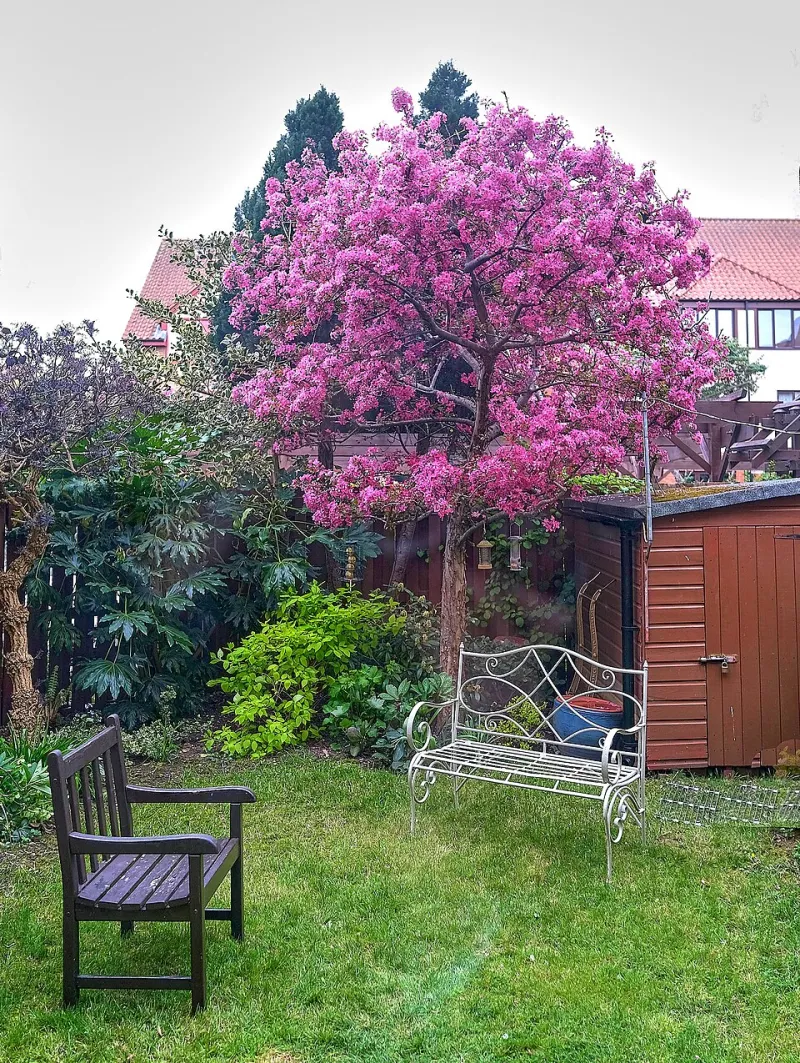
HOA review boards rarely reject a fence because it looks bad. They reject it because the packet leaves a question unanswered. Here’s how to build a reusable 3D yard kit, drop it into a client’s actual lot, and hand the board a submission PDF that reads like a decision aid instead of a mood board.

Measure Twice, Pour Once: Running an ADA Clearance Audit in the Model
Client Work & Presentation

Measure Twice, Pour Once: Running an ADA Clearance Audit in the Model

Concrete is a terrible editor. Before the saw-cut and the rebar, modelers can test ramp slopes, door swings, and turning circles in geometry that costs nothing to change. Here is a practical clearance kit and review workflow for catching ADA problems while they are still editable.

The Details That Read as Real: Seven Code Cues for Convincing US Interiors
Client Work & Presentation

The Details That Read as Real: Seven Code Cues for Convincing US Interiors

Materials and lighting get a render most of the way. The last mile is code-driven: exit signs, sprinkler heads, handrails, landings, outlets, door swings, and ADA clearances. Here’s a practical checklist for US architectural viz — and when to stop guessing and ask.

Package, Don't Dump: The 3D Handoff Folder That Answers Questions Before Clients Ask
Client Work & Presentation

Package, Don't Dump: The 3D Handoff Folder That Answers Questions Before Clients Ask

Sending a lone .glb and hoping for the best is how good projects turn into week-long email threads. Here's the handoff packet that makes clients feel taken care of — naming rules, scale notes, map manifests, LODs, a plain-English license, and a one-page usage guide — plus a checklist and folder template you can reuse on every job.

Brackets Before the Bell: A 3D Modeler’s Pre-Kickoff Playbook for FIRST Robotics
Community & Education

Brackets Before the Bell: A 3D Modeler’s Pre-Kickoff Playbook for FIRST Robotics

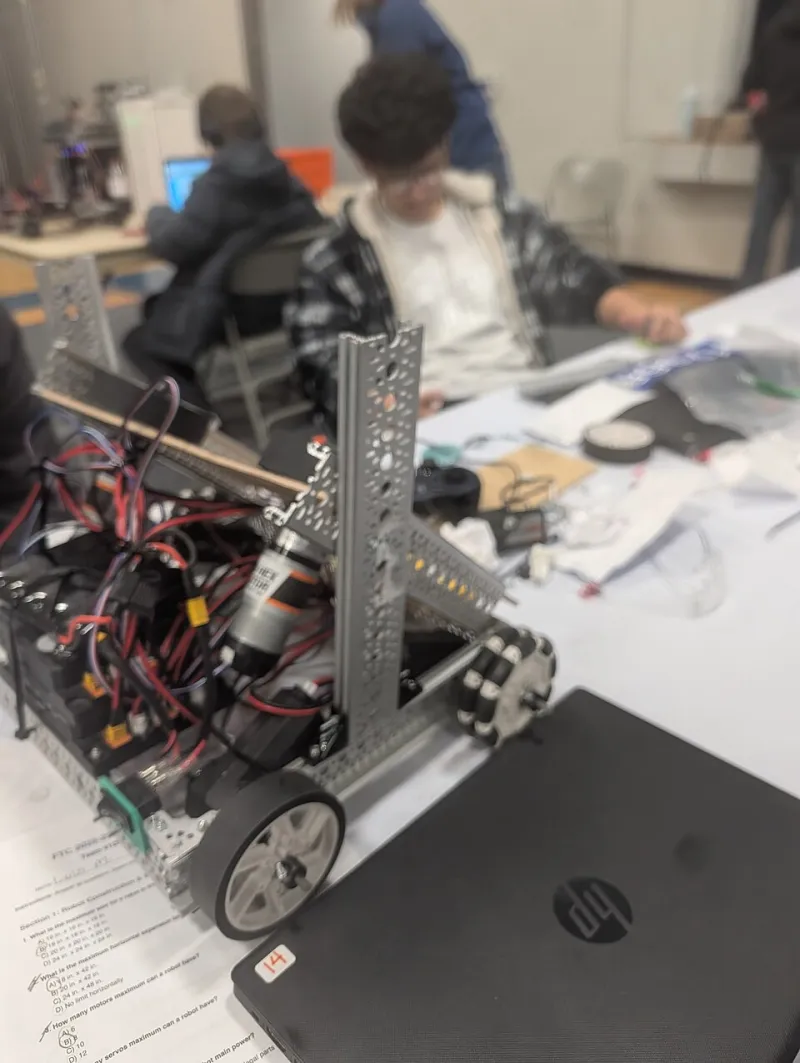
The six-week FIRST build season is a sprint, but the modeling work starts before January. Here’s how digital artists can plug into a local robotics team, turn student sketches into printable brackets and spacers, and build a repeatable portfolio pipeline that survives the competition field.

The Red-Pen Roundtable: How to Run a 90-Minute 3D Critique That Ends in Fixes
Community & Education

The Red-Pen Roundtable: How to Run a 90-Minute 3D Critique That Ends in Fixes

A critique night should send you home with a to-do list, not a vague glow. This format uses a tight 90-minute agenda and a six-part scorecard to push 3D assets from pretty renders to production-ready handoffs.

Short-Order Geometry: How One Artist Runs a Five-Prop-a-Month Subscription Without Burning Out
Pipeline & Asset Management

Short-Order Geometry: How One Artist Runs a Five-Prop-a-Month Subscription Without Burning Out

A Columbus modeler turned a monthly five-prop drop into a subscription studio that pays its own bills. Here's the calendar, the license language, and the break-even math behind a one-person asset shop that skips the race to the bottom.

From Filament to First Friday: Designing a Library Modeling Club That Outlives the Novelty
Community & Education

From Filament to First Friday: Designing a Library Modeling Club That Outlives the Novelty

A 3D printer in the lobby is a start, not a program. Here's how local modelers can help US libraries turn idle machines into a recurring club with a useful community asset menu, a workshop format that fits real schedules, and turnout numbers that mean something in 2026.

Bubble Wrap Is Not a Preservation Plan: Scanning Holiday Villages While the Lights Are Still On
Pipeline & Asset Management

Bubble Wrap Is Not a Preservation Plan: Scanning Holiday Villages While the Lights Are Still On

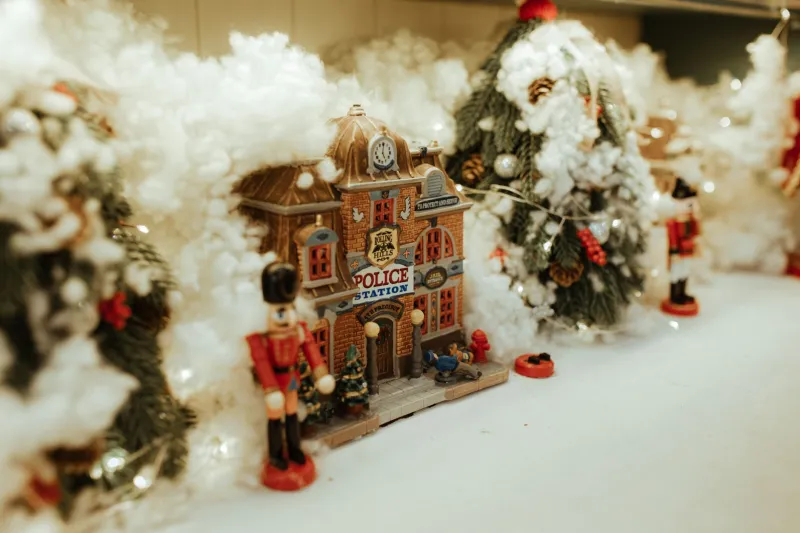
Holiday village displays vanish into boxes every January, which makes November and December a narrow window for 3D capture commissions. Here is a practical scan-to-mesh workflow for tiny, glossy, light-filled collectibles, plus a pitch plan for collectors, small museums, and Main Street groups.

The November Heirloom Window: A Four-Week Scan Sprint for Fragile Family Treasure
Pipeline & Asset Management

The November Heirloom Window: A Four-Week Scan Sprint for Fragile Family Treasure

Every holiday season, somebody wants Grandma's gravy boat preserved before it meets a dishwasher. Here's a four-week November workflow for scanning fragile heirlooms—capture tricks for glossy ceramics and silver, consent and handling guardrails, and a pricing ladder that turns seasonal nostalgia into repeatable commissions.

Small Parts, Long Tail: Turning Repair Café Referrals Into a 3D Commission Pipeline
Client Work & Presentation

Small Parts, Long Tail: Turning Repair Café Referrals Into a 3D Commission Pipeline

A broken dryer knob is a tiny problem with a long tail. Here’s how to partner with US repair cafés and independent technicians, document obsolete parts properly, navigate patent and trademark questions, and price small-batch commissions that turn into referrals.

Before the First Point Cloud: A Permissions Playbook for Scanning American Landmarks
Pipeline & Asset Management

Before the First Point Cloud: A Permissions Playbook for Scanning American Landmarks

A practical field guide to the permits, property releases, and copyright questions that come up when US artists scan courthouses, main streets, bridges, and park sites. It walks through a fast pre-scan checklist and a scan-to-portfolio workflow that keeps the paperwork from killing the creative momentum.

Bad Photos, Good Geometry: A Photogrammetry Rescue Plan for Real-World Client Shots
Pipeline & Asset Management

Bad Photos, Good Geometry: A Photogrammetry Rescue Plan for Real-World Client Shots

Clients rarely send a tidy photogrammetry set. They send camera-roll chaos: blurry phone snaps, hard shadows, and three angles of the same corner. Here is a practical triage workflow for turning that mess into a usable asset, plus a before-and-after case study you can adapt for your own portfolio.

Exhibit A Is a Mesh: The Quiet Craft of Litigation Visualization
Client Work & Presentation

Exhibit A Is a Mesh: The Quiet Craft of Litigation Visualization

Courtroom 3D exhibits are not cinematic showpieces — they are arguments with vertices. Here is how US litigation visualization studios build defensible crash reconstructions, construction-defect animations, and medical exhibits, plus what a portfolio needs to break into the niche.

Hands-On History: The Tactile 3D Model Commissions US Museums Are Quietly Funding
Client Work & Presentation

Hands-On History: The Tactile 3D Model Commissions US Museums Are Quietly Funding

Museums across the US are commissioning tactile 3D-printed models for accessibility tours, and the work rewards artists who can think like educators, not just modelers. Here is how the niche works, what staff actually look for, and a starter checklist for pitching your portfolio into it.

Uncle Sam’s Scan Vault: Turning Public-Domain Government Models Into Portfolio Pieces
Pipeline & Asset Management

Uncle Sam’s Scan Vault: Turning Public-Domain Government Models Into Portfolio Pieces

Federal collections offer thousands of free, high-resolution 3D scans, but raw government assets rarely arrive portfolio-ready. Here is a practical 2026 workflow for finding, vetting, cleaning, and remixing public-domain models from the Smithsonian, NASA, the National Park Service, and the Library of Congress.

The Small Stuff Pays: Why Dumpsters, Hydrants, and Parking Meters Belong in Your 3D Catalog
Pipeline & Asset Management

The Small Stuff Pays: Why Dumpsters, Hydrants, and Parking Meters Belong in Your 3D Catalog

Hero assets get the likes, but background props pay the bills. Here is how US 3D artists can research mundane prop demand, build a repeatable model-to-pack workflow, and price a catalog of dumpsters, hydrants, and parking meters without racing to the bottom.

Brick, Glass, and Neon: Capturing Main Street Before the Scaffolding Goes Up
Pipeline & Asset Management

Brick, Glass, and Neon: Capturing Main Street Before the Scaffolding Goes Up

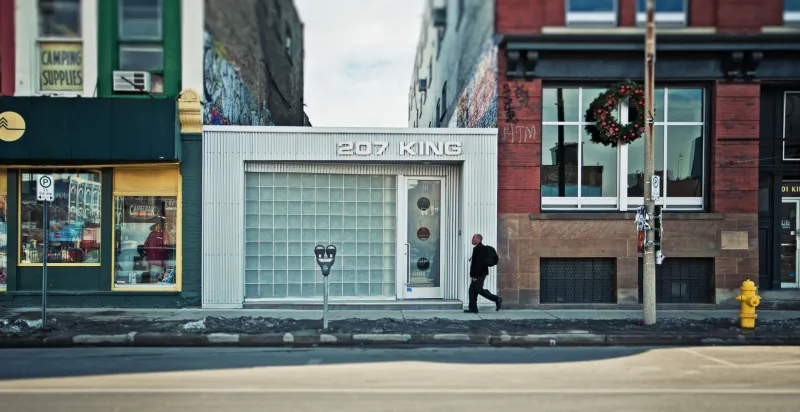
Photogrammetry of historic US storefronts is part fieldwork, part civic favor, and part portfolio gold. Here's the practical playbook for permission, light, crowds, glass, neon, and the parking meter that ruins your point cloud.

Handshakes Don't Survive Scope Creep: The Contract Terms US 3D Freelancers Keep Skipping
Client Work & Presentation

Handshakes Don't Survive Scope Creep: The Contract Terms US 3D Freelancers Keep Skipping

Friendly emails close deals; paperwork keeps them closed. An opinionated look at revision caps, source files, licensing, kill fees, and AI-training clauses — with the real studio scenarios where handshake agreements fall apart.

Recommended

non gamstop casinos non gamstop casinos non gamstop casino non gamstop casinos