The November Heirloom Window: A Four-Week Scan Sprint for Fragile Family Treasure
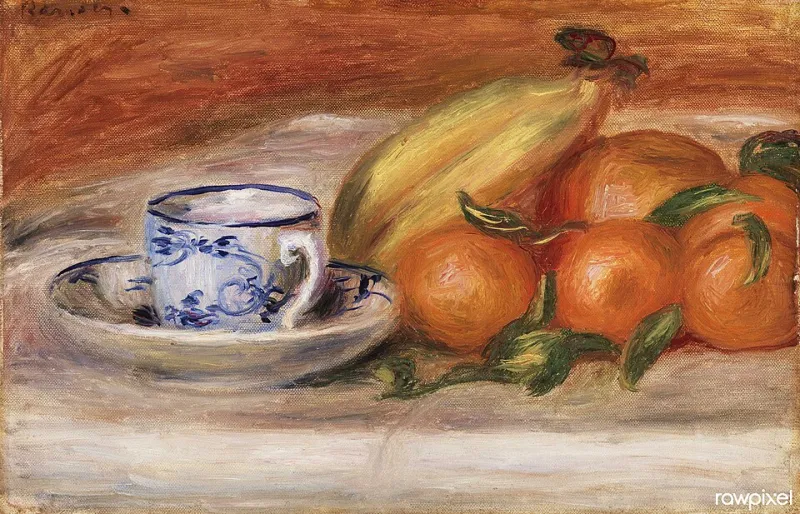
Photo: Rawpixel Ltd, CC BY 2.0, via Wikimedia Commons
Every November, a familiar message lands in your inbox: a phone photo of a chipped gravy boat, a recipe box held together with rubber bands, or a box of ornaments that survived three generations and one basement flood. The sender usually says some version of, “Can you make a 3D copy before we set the table?” That question is a commission if you have a system ready. And November is the only month when the whole family is actually in one place to approve it.
This is a sprint, not a lifestyle. Four weeks, a hard deadline, and a client who is simultaneously hosting Thanksgiving. The goal is not a museum-grade digital twin. It is a print-ready and AR-ready keepsake that ships before the mashed potatoes go cold.
Why the Calendar Does Half the Selling
US holiday logistics are a free project manager. Families gather, decisions get made in person, and shipping cutoffs give you a natural finish line. A client who would never book a $200 scan in July will happily approve one in mid-November when Aunt Linda is visiting and the ornament box is already open on the dining table.
The pitch is simple: capture the object now, deliver a digital file they can print, view in AR, or archive for the next generation. You are not selling polygons. You are selling a backup copy of a memory that currently lives in one fragile piece of porcelain.
Week 1: Intake, Consent, and the Condition Report
Start with a one-page loan agreement. It should cover the scan window, the agreed deliverables, a 50% deposit, and a clear line: you scan, you do not restore. If the client wants cracks filled or missing handles rebuilt, that is a separate conversation and a separate fee.
Photograph the object from six angles before it moves. Note existing chips, hairline cracks, and loose hardware. This condition report protects both sides. A quick phone video of you handing the item back at pickup is worth more than a paragraph of legal language.
Consent matters more than people expect. Heirlooms carry privacy. A recipe box may contain handwritten notes, addresses, or family names. Ask what should be excluded from textures. Get written permission for AR viewing, 3D printing, and any portfolio use. If the client wants the files kept private, price that in and honor it.
Handling rules, every time: nitrile gloves, a padded table, no cleaning, no dish soap, no compressed air near flaking paint. Support delicate pieces with archival foam. Never lift an ornament by its original ribbon or a teacup by its handle. Move the camera, not the object, whenever the object is too fragile for a turntable.
Week 2: Capture Without Cracking the China
Most heirlooms are small, glossy, and low-texture—a rough combo for photogrammetry. Set up a small light tent, a sturdy tripod, and a turntable that can hold 10 to 15 pounds without wobble. Shoot 60 to 90 frames at three camera heights. Bracket exposures for shiny silver and dark glaze.
For reflective ceramics, cross-polarization is your friend. A polarizing filter on the lens and polarizing gels over the lights kill the hot spots that confuse reconstruction software. For silver and smooth porcelain with almost no surface detail, project a fine random-dot pattern onto the object and shoot another pass. It gives the software something to track without touching the piece.
Transparent glass is the exception. Clear glass and thin crystal often fail in photogrammetry because the software cannot separate the object from the background. Set expectations early. A matte gray backdrop and cross-polarized light can help, but if the piece is truly transparent, recommend a structured-light scan or a carefully staged single-view presentation model instead of promising a full watertight mesh.
Delicate ornaments get a foam cradle, not a hanging rig. If the original ribbon is brittle, remove it and scan the ornament alone. You can model a replacement loop later from measurements. Keep a soft brush on the table for dust, but use it only on surfaces the client has approved.
Week 3: Cleanup That Respects the Object
This is where the sprint can quietly blow up. Budget two days for cleanup, not two hours. Build a checklist: remove the turntable, close holes, unwrap UVs, bake a 4K texture, decimate an AR-friendly GLB, and hollow a print-ready STL with a minimum 2mm wall thickness.
Resist the urge to make the object look new. Cracks, glaze crazing, and worn gold rims are the story. Your job is preservation, not cosmetic surgery. Name files with the client's surname and item number so the family archive still makes sense in five years: whitaker_gravy-boat_print.stl, whitaker_gravy-boat_ar.glb.
Week 4: Delivery Before the Bird
Package the deliverables, don't just dump them in a folder. Send a QR code that opens the AR model in a browser, a print-ready file sized for a local print shop, and a one-page care card explaining how to view and store the files. If the client ordered a physical print, use a US-based print partner with a pre-Thanksgiving cutoff and share tracking.
Include a short turntable video. It is the thing clients show relatives at dinner. It also sells the next commission before the plates are cleared.
A Simple US Pricing Ladder
Three tiers keep the conversation easy. A single keepsake scan runs $175–$275. A table set—say, four serving pieces or a dozen ornaments—runs $650–$950. A family archive with 20 or more items, organized files, and a private AR gallery runs $1,800–$2,800. Add a 20% rush fee for anything requested after the first week of November. Charge travel separately if you are driving to a family home.
Repeatability lives in the archive tier. Offer an annual refresh: new items scanned at the next gathering, files added to the same gallery. That turns a one-off holiday favor into a small recurring account.
Keep the Sprint Honest
Cap the number of items per week. Set a hard intake cutoff. Get the deposit before you unpack a single teacup. The holiday table is not a reason to skip contracts or handle Grandma's china like a prop. Do it right, and the gravy boat survives the meal—and the next fifty.