Exhibit A Is a Mesh: The Quiet Craft of Litigation Visualization
Courtroom animation is a weird branch of 3D work. Nobody claps when it renders. Nobody shares it on a reel with a synth soundtrack. If the job goes well, a jury understands a timeline, an attorney stops pacing, and the exhibit quietly does its job. If the job goes badly, an opposing expert gets to explain — in front of everyone — why your model is wrong.
That is the bargain of litigation visualization in 2026. The work is not about making the coolest-looking crash. It is about making a model that can survive cross-examination. For artists who like constraints, evidence, and client work with real consequences, it is one of the more interesting niches in the US 3D market.
The deliverable is not a pretty render
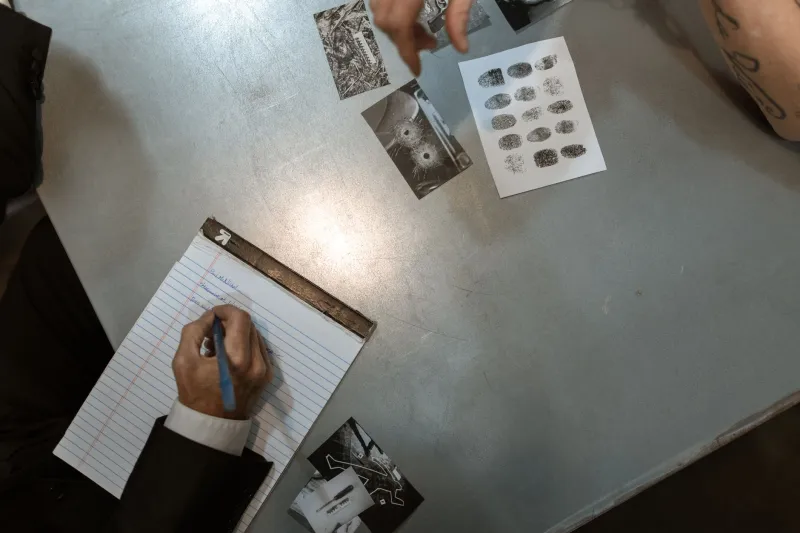
Forensic visualization studios build exhibits for civil and criminal cases: vehicle collisions, construction defects, medical device disputes, premise-liability claims, patent illustrations, and insurance work. Some deliverables are still images with callouts. Some are animations. Some are interactive scenes that attorneys scrub through during mediation.
The common thread is that the model is an argument. A crash reconstruction might need to show sight lines, reaction time, impact speed, and vehicle positions at specific seconds. A construction-defect animation might need to show water intrusion paths through wall assemblies. A medical exhibit might need to show a surgical sequence without turning into a horror movie.
That means the artist is not just modeling. They are translating an expert report into geometry, then checking that every visible detail matches the underlying data. If the report says the vehicle was traveling at 42 mph, the animation cannot imply 50. If a deposition puts a witness at a doorway, the camera path cannot wander through a wall.
Accuracy has a paper trail
Chain-of-custody sounds like a legal phrase, and it is. But it is also a workflow issue. Litigation studios keep raw source data separate from working files and final exhibits. They log versions. They hash files. They track which expert report, survey, scan, or photo set each asset came from.
This matters because US courts do not just ask whether an animation looks believable. They ask what it is based on. Expert testimony has to disclose the basis for opinions, and exhibits can be challenged if they overstate precision or introduce facts that are not in the record. A clean workflow is the artist’s best defense.
In practice, that means a few habits:
- Keep the raw photogrammetry, LiDAR, CAD, or drone capture untouched.
- Build the scene from a documented blockout before adding detail.
- Label assumptions separately from measured data.
- Save review checkpoints with the expert and the attorney.
- Export exhibit versions with a clear date, case number, and source list.
It is not glamorous. But a model with a paper trail is worth more than a model with nice dirt textures.
Turning reports into geometry
The first pass is usually a blockout. Artists read the expert report, identify the claims that need visual explanation, and build a simplified scene with correct scale, sight lines, and timing. Only then do they start refining.
That order matters. If you start with a detailed hero asset, you fall in love with the wrong things. Litigation work rewards restraint. A courtroom exhibit often needs fewer polygons than a product render because clarity beats realism. A clean vehicle silhouette, a readable road surface, and a camera angle that shows the impact point will do more than a dashboard with stitching.
Artists also learn to work with expert language. “Perception-reaction time” becomes a visible delay. “Defect propagation” becomes a sequence of cutaway frames. “Range of motion” becomes a joint that moves within documented limits. The goal is not to make the expert sound smart. It is to make the jury see what the expert is describing.
What a portfolio needs to break in
You do not need a reel full of confidential case footage to get noticed. In fact, you probably cannot use it. Litigation work is NDA-heavy, and studios are careful about client confidentiality.
What you can show is method. Build a sample exhibit around a public-domain crash data set or a fictional construction assembly. Show the source material, the blockout, the final render, and the annotations. Include a short breakdown of what you chose to leave out and why. That tells a hiring manager more than a glossy beauty shot.
A few portfolio pieces that tend to land well:
- A short animation with a visible timecode and documented measurements.
- A still exhibit with callouts that a non-technical viewer can follow.
- A before-and-after showing how an expert report became a 3D sequence.
- A redacted case study that explains the review workflow, not just the final frame.
Studios also look for people who can take notes. Can you follow a revision request like “move the camera to the driver’s eye height and keep the stop sign in frame”? Can you work with an expert who is not a 3D person? Can you deliver a clean file set on a deadline? Those are portfolio skills too, even if they do not fit in a turntable.
The soft skills are half the job
Litigation visualization sits close to the legal process, so artists need a neutral, careful bedside manner. You may sit in on expert meetings. You may revise an animation after a deposition changes the timeline. You may need to explain why a certain camera angle is misleading, even if it looks dramatic.
The best studios are not trying to make a case look cool. They are trying to make it legible. That is a different creative challenge, and it is a good one. If you like precision, documentation, and client work that rewards a calm hand, the courtroom niche is worth a look.
In 2026, it is not a huge market. But it is a steady one, and it has a long memory for artists who get the details right.