Handshakes Don't Survive Scope Creep: The Contract Terms US 3D Freelancers Keep Skipping
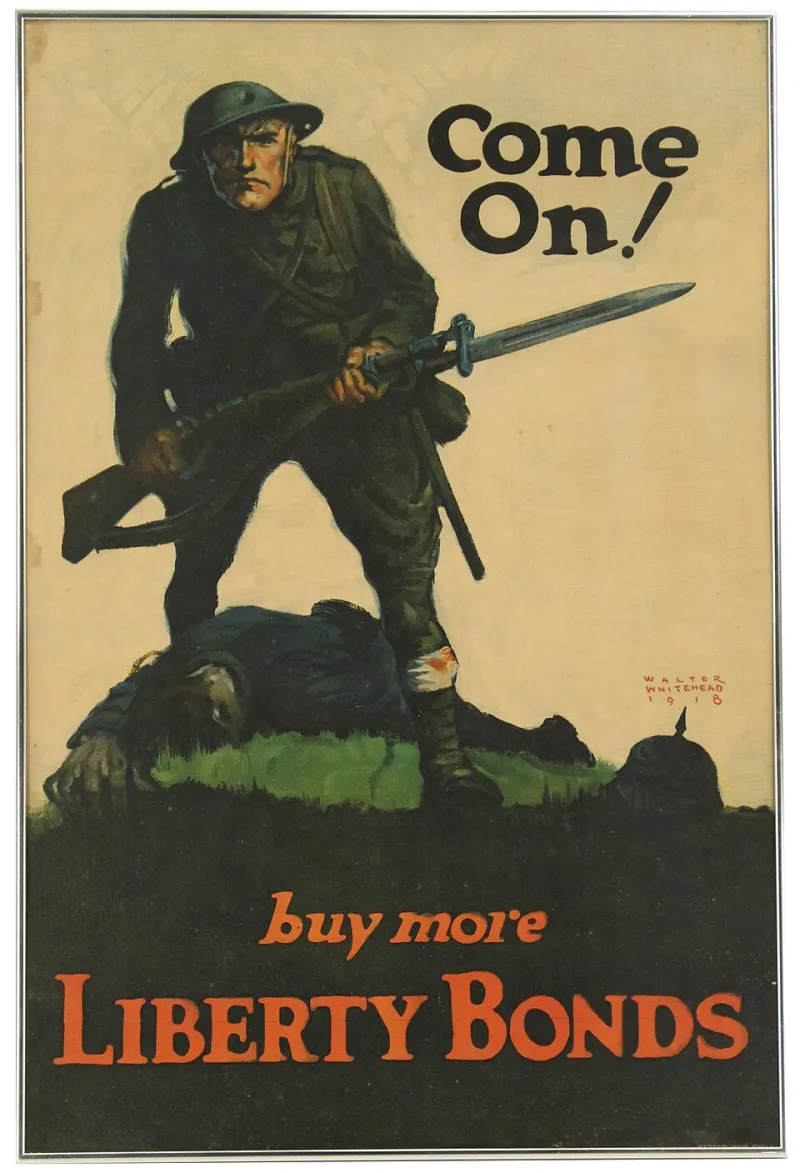
Photo: Walter Whitehead, Public domain, via Wikimedia Commons
Every freelancer I know has the same horror story, and the details barely change. Great first call, warm emails, a deposit that arrives fast. Then three months later you're on a Zoom call explaining why the fourth round of changes on a product model you already delivered isn't included in the original quote, and the client is explaining that they thought 'we'll know it when we see it' was a scope.
Here's the uncomfortable truth: nobody in that story is a villain. The client isn't evil, and you weren't naive. You just both agreed to a vibe instead of a document. In 2026, with more studios bidding on the same product visualization work and more clients arriving with AI-generated mood boards, a loose agreement is a liability for both sides.
This is the checklist I'd hand to any US-based 3D freelancer before the first model ships.
The Project That Grows in the Night
Standard scenario: a furniture brand hires you for one hero chair render. Two weeks in, marketing asks if you can 'just drop it into a kitchen scene.' Then legal wants the fabric pattern adjusted. Then the sibling brand wants the same asset in a different colorway, and someone says the phrase 'while you're in there.'
None of these requests are unreasonable. All of them are unpaid labor if your contract says 'one hero chair.' Write deliverables as a specific, countable list — poly budget, texture resolution, render count, camera angles, file formats, delivery date, number of env variants. Then add a change-order clause: anything outside that list gets quoted separately in writing before work begins.
Clients respect this more than you'd guess. It gives them a way to say no to their own marketing team.
Revision Caps: Two Rounds, Then It's a Change Order
'Unlimited revisions' is the fastest way to price yourself into a loss. Set a number — most studios land on two or three rounds — and define what a round is. A consolidated PDF of notes from one point of contact, sent within five business days, counts as one round. Fourteen Slack messages from six people over three weeks counts as chaos, and your contract should say so politely.
The clause does real work in practice. The moment a client knows round three has a price tag, their feedback gets sharper, faster, and less contradictory.
Source Files Are Not a Party Favor
This is the fight worth having early. A client asking for 'the files' often means the .blend, the .ztl, the layered Substance project, and every iteration since March. Delivering all of that hands over your process — the thing that makes you worth hiring again.
Split it clearly. Final delivery includes the agreed output formats (glTF, FBX, USDZ, whatever's specified) plus textures. Native working files are a separate line item with a separate price, or they stay with you. If the client genuinely needs a source file for their pipeline, price it at a fair multiple and say so up front. Nobody feels ambushed, and you get paid for the handoff.
Licensing: Say What They're Actually Buying
'Perpetual, worldwide, all media' sounds impressive until you realize you've just licensed a single chair model for a global campaign, a video game, and a print catalog for the price of one product shot.
Be explicit about scope: which project, which channels, which territories, how long, and whether the license is exclusive. Add a line about sublicensing — a brand's ad agency is a third party, and that's usually fine, but it should be named. If they want to reuse the asset in a future campaign, that's a renewal, and your contract should make renewal feel normal rather than greedy.
Also: your portfolio rights. Ask for the right to show the work after the campaign launches. Reserve the right to show breakdowns as technique demonstration. Most clients say yes to a delayed reveal; almost none volunteer it.
Kill Fees: Getting Paid for the Project That Dies
Products get cancelled. Budgets get frozen in the fourth quarter. Marketing directors leave. It happens constantly, and it almost never shows up in a handshake deal.
Structure your payments so you're never deep in a project on someone else's risk: a deposit that covers mobilization, a milestone payment at blockout, a milestone at first delivery. Then add a kill fee that scales with how far you got — full rate for anything past the second milestone, a percentage for an early termination, and an explicit clause that work product isn't transferred until final invoice clears.
That last part matters. You don't want to be the freelancer arguing about payment while the client is already rendering your model.
The AI Clause You Need in 2026
This is the newest paragraph in the contract and the one clients are least prepared for. Two questions to answer in writing.
First: does the client intend to use your delivered assets as training data for an internal model? If yes, that's a license, and it should be priced as one. If no, say no in the agreement so there's no ambiguity later.
Second: are AI-generated references an acceptable input? If a client sends AI concept art, the geometry may be physically impossible, the text will be nonsense, and the reference may carry provenance problems. Your contract should state that AI references are treated as mood, not spec, and that reproducing them literally is a change order with a feasibility review.
Neither clause is hostile. Both prevent the meeting where everyone discovers they had different assumptions.
Milestones, Invoices, and the Net-30 Reality
Net-30 is standard and it's also a sixty-day loan. If you're a one-person studio, ask for net-15 or a card payment option on smaller jobs. Add a late fee — 1.5% monthly is common and unremarkable — and state that late payment pauses production. Then send invoices the day you hit the milestone, not the day you remember.
Get a signed W-9 to the client before the first invoice so their accounts payable department has no excuse, and put your LLC or business name on everything.
Kill the Handshake, Keep the Relationship
None of this is about distrust. The friendliest client relationships I've seen are the ones with the clearest paperwork, because nobody has to have the awkward conversation three months in. The contract isn't the opposite of a good working relationship — it's the thing that lets one survive a delayed approval, a cancelled product line, or a marketing director who disappears mid-project.
Two pages, plain language, signed before you open the file. That's the whole pitch.